Fire Extinction Science
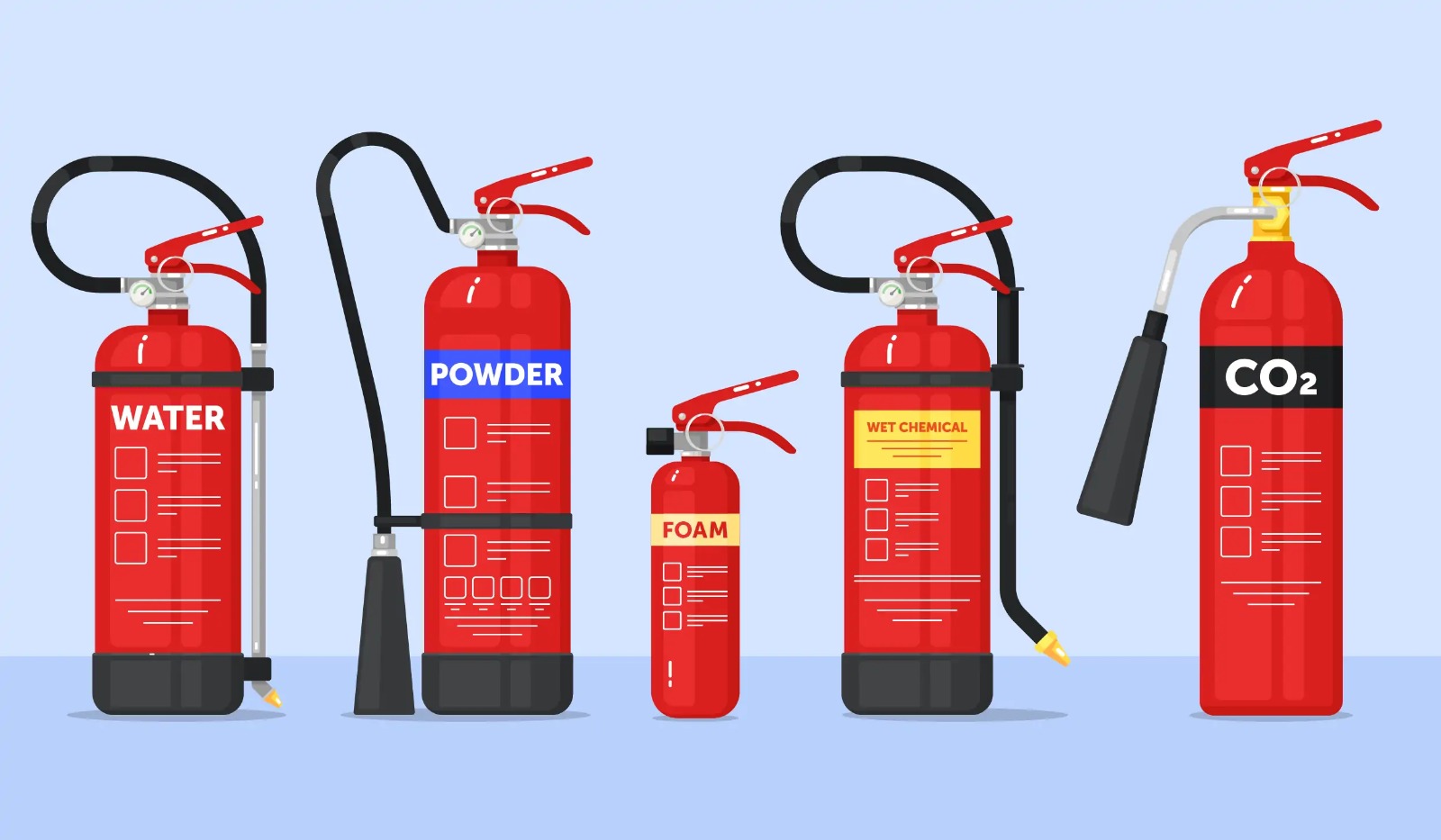
Fire extinguishers operate on scientific principles to disrupt the "fire triangle"—heat, oxygen, and fuel—by cooling, smothering, or breaking the chemical reaction. Common agents, such as pressurized water, foam, \(CO_{2}\), or dry chemicals, are released via a nozzle to lower temperatures, displace oxygen, or inhibit combustion. Key Scientific Principles of Extinguishment Cooling (Heat Removal): Water and foam extinguishers absorb heat from the fire, lowering the temperature below the ignition point of the fuel.Smothering (Oxygen Removal): \(CO_{2}\) and foam agents displace the oxygen surrounding the fire. Because \(CO_{2}\) is heavier than air, it forms a protective layer, halting the combustion process.Chemical Inhibition (Interrupting Reaction): Dry powder agents, such as sodium bicarbonate, interrupt the chemical chain reaction of the fire by coating the fuel with a non-reactive layer.Starvation (Fuel Removal): Some methods, such as removing surrounding material or separating foam from fuel, stop the fire by removing its fuel source. Types of Fire Extinguishers and Mechanisms Water & Foam: Best for solid combustibles (wood, paper). Foam works by sealing the liquid's surface, preventing flammable vapors from reaching the air.Carbon Dioxide (\(CO_{2}\)): Ideal for electrical fires as it does not leave a residue. It acts by starving the fire of oxygen.Dry Chemical Powder: Versatile (Classes A, B, C), it smothers the fire and breaks the chemical reaction.Wet Chemical: Designed for high-temperature fats and oils (Class K/F)..